
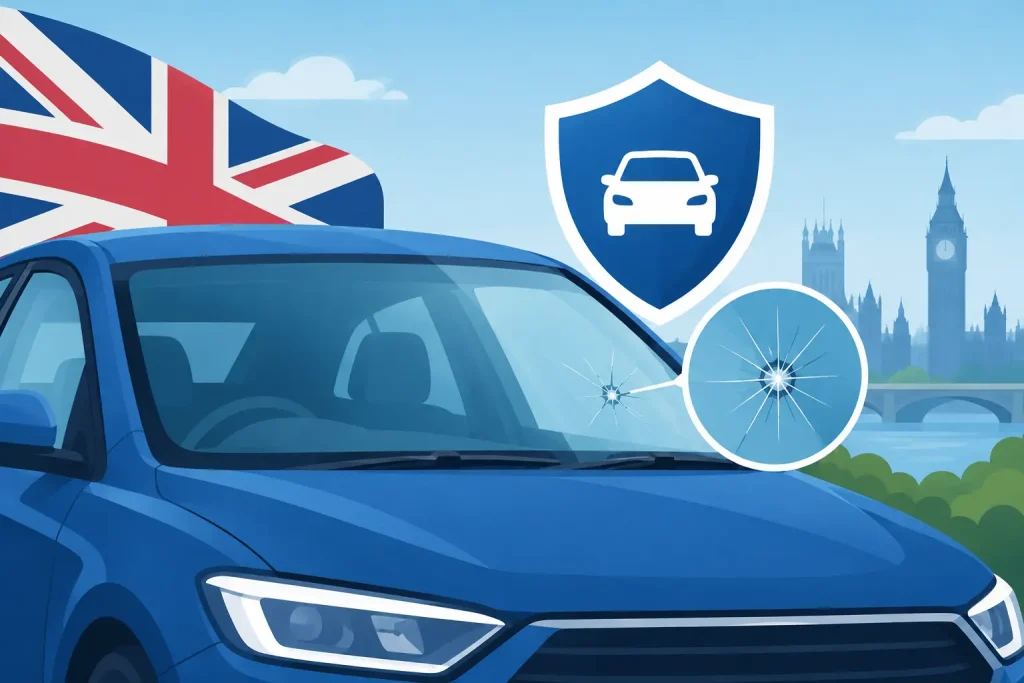
A stone chip can look minor when it first appears, yet a change in temperature, a pothole or a slammed door can turn it into a long crack without warning. Glass insurance is designed to help with the cost of repairing or replacing vehicle glass, but the level of cover, excess and claims process vary between policies. Knowing what your policy says before damage happens can save time when your car, van or fleet vehicle needs attention.
For most drivers, the priority is straightforward: restore clear visibility, keep the vehicle weatherproof and get back on the road safely. Insurance matters because it can affect the route you take, the amount you pay and whether a repair can be completed before the damage spreads.
What does glass insurance usually cover?
In the UK, glass cover is often included within a comprehensive motor insurance policy. It commonly applies to the windscreen, rear window and side windows, although the exact wording differs by insurer. Some policies provide windscreen cover as standard, while others make it an optional extra or offer different limits depending on the level of cover selected.
A typical policy may pay for a chip repair or contribute towards replacement glass and fitting after accidental damage. It may also cover damage caused by a break-in, vandalism or debris thrown up from the road. If a side window has been smashed, for example, the claim may be handled under glass cover or under the policy’s theft or vandalism section. The answer depends on the insurer and the reason for the damage.
Do not assume every glass-related item is included. Panoramic roofs, sunroofs, mirrors, lights, cameras and trims can be treated differently. Heated glass and vehicle glazing with sensors may also have separate conditions. Read the policy schedule as well as the headline description, particularly if your vehicle has advanced driver assistance systems.
Repair or replacement: why the difference matters
A small chip is often repairable if it is dealt with promptly. Repairing a suitable chip normally preserves the original windscreen, takes less time than a replacement and may involve a lower excess. It also avoids replacing a large piece of glass when only a small area is damaged.
However, not every chip can be repaired safely. Damage near the driver’s main viewing area, at the edge of the windscreen, or damage that has developed into a crack may require replacement. The size, depth, position and condition of the damage all matter. A trained automotive-glass technician should assess it rather than relying on how the damage looks from the driver’s seat.
Replacement is not simply a matter of fitting new glass. Modern windscreens can support cameras and sensors used for systems such as lane assistance, traffic-sign recognition and automatic emergency braking. When the windscreen is replaced, the vehicle may need ADAS recalibration so those systems work as intended. Check whether your glass insurance includes this work, or whether there is a separate charge.
Check these policy details before making a claim
The quickest way to avoid surprises is to review the key terms of your cover before authorising work. You do not need to become an insurance expert, but four details are worth confirming:
- Windscreen excess: This is the amount you pay towards a repair or replacement. A repair excess is often lower than a replacement excess, but policies vary.
- Approved repairers: Some insurers ask customers to use their nominated glass provider. Using another specialist may still be possible, but your contribution or reimbursement could change.
- Claim limits: Your policy may cap the amount payable for replacement glass, labour or associated work.
- No-claims discount: Windscreen claims often do not affect a no-claims discount, but this is not universal. Confirm it with your insurer rather than relying on a general rule.
It is also sensible to check whether there are limits on replacement parts. A policy may describe the type of glass it will provide, and availability can vary by vehicle. A specialist can explain what is required for safe fitting, while the insurer can confirm what your cover will fund.
How to make a glass insurance claim without delays
Start by recording the vehicle registration, insurer and policy number. Take clear photographs of the damage if it is safe to do so, especially after vandalism or a break-in. If the glass has been smashed and there is a security concern, avoid touching sharp fragments and protect the vehicle from rain where possible.
Contact your insurer or its nominated claims line to confirm your cover and excess. Ask whether you need approval before booking a repair or replacement, whether recalibration is covered, and whether the claim could affect your renewal price or no-claims discount. These questions are easier to answer before work begins than after an invoice has been issued.
Then arrange an assessment with a qualified automotive-glass specialist. Provide accurate details about the vehicle and the damage. Mention any cameras, sensors, heated elements, rain sensors or head-up display features you know about. Clear information helps the technician identify the correct glass and plan the work properly.
If your insurer has an approved network, the repairer may be able to process the claim directly, leaving you to pay the excess. If it does not, keep any written approval and invoices requested by the insurer. Never delay necessary work simply because you are waiting to decide whether to claim. A spreading crack can change a repairable problem into a replacement job.
When paying privately may make more sense
Insurance is useful, but making a claim is not always the best option. If the repair cost is close to your excess, paying privately may be simpler. This can also be worth considering if your policy has a claim limit, if the vehicle is used commercially and downtime is your main concern, or if the damage falls outside the insurer’s approved process.
For a small chip, private repair may be cost-effective and can prevent a much larger expense later. The right choice comes down to the total cost, your excess, the terms of your policy and how quickly the vehicle needs to return to service. Ask for a clear explanation of the repair or replacement recommendation and the expected costs before deciding.
Fleet operators should take a slightly broader view. A windscreen claim is only one part of the cost of damage. A vehicle off the road can mean missed deliveries, disrupted appointments or the need for a replacement vehicle. Keeping policy details accessible to drivers and having a clear reporting process can reduce avoidable delays.
Safety and legal checks after windscreen damage
A damaged windscreen can become a safety issue quickly. Cracks and chips may distort light, catch glare from headlights and reduce the driver’s view, particularly in poor weather or low winter sun. Damage in the swept area of the windscreen wipers deserves prompt attention, even if it initially appears small.
Your vehicle must also remain roadworthy. For MOT purposes, windscreen damage is assessed by its location and size, with particular attention paid to the area directly in front of the driver. The rules are specific, and a professional inspection is better than guessing whether a crack will be acceptable.
Do not use tape, resin kits or temporary covers as a long-term answer where vision is affected. These measures may offer short-term protection from water or dirt, but they do not replace a proper assessment. Keep the damaged area clean, avoid blasting the windscreen with very hot or cold air, and arrange help as soon as practical.
Choosing a glass specialist
The quality of the fitting is as important as the glass itself. Automotive glass supports the structure of the vehicle, keeps out water and wind noise, and can be central to the correct operation of safety systems. A proper service should include an assessment of the damage, suitable glass and materials, careful fitting, and recalibration where the vehicle requires it.
Euro Windscreens focuses on the practical outcome: safe glass, restored visibility and less disruption to your day. Whether the insurer is paying or you are arranging work privately, ask what work is needed, what the excess or cost will be, and when the vehicle can be used normally again.
Keep your policy details with your vehicle documents and act on chips before they spread. That small step gives you more repair options, more control over cost and a better chance of keeping your journey moving safely.